Learn
Have Questions About Healthy Cooking? Answers Here
What is healthy meal planning?
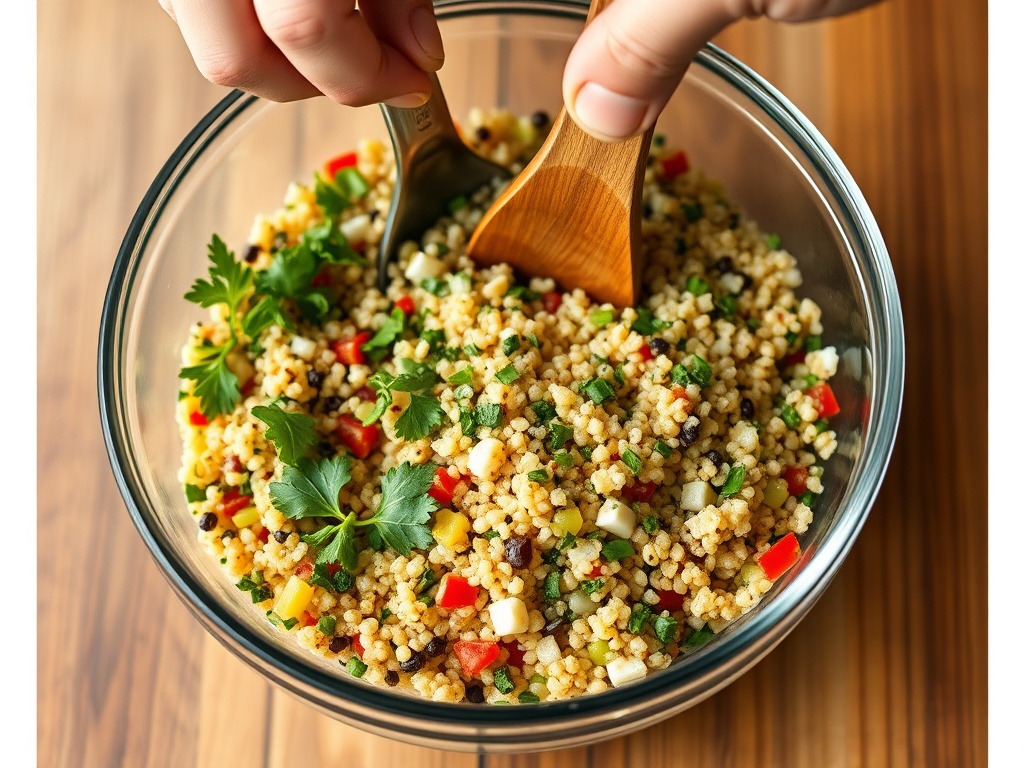
Healthy meal planning transforms how you approach nutrition by focusing on whole foods, balanced macronutrients, and mindful preparation techniques. Our course teaches you to plan weekly menus that satisfy both taste and wellness goals, reduce food waste, and save time in the kitchen. You'll learn to read nutrition labels, understand portion control, and build sustainable eating habits that support your lifestyle without complicated restrictions or deprivation.
Why is learning healthy cooking important?
Mastering healthy cooking techniques empowers you to take control of your nutrition and well-being. When you cook at home using fresh ingredients and proper methods, you eliminate hidden sugars, excess sodium, and unhealthy fats found in processed foods. This skill set boosts energy levels, improves digestion, supports weight management, and reduces the risk of chronic diseases. Plus, home cooking saves money and creates opportunities to bond with family over nourishing meals.
What are the core skills taught in our healthy cooking course?
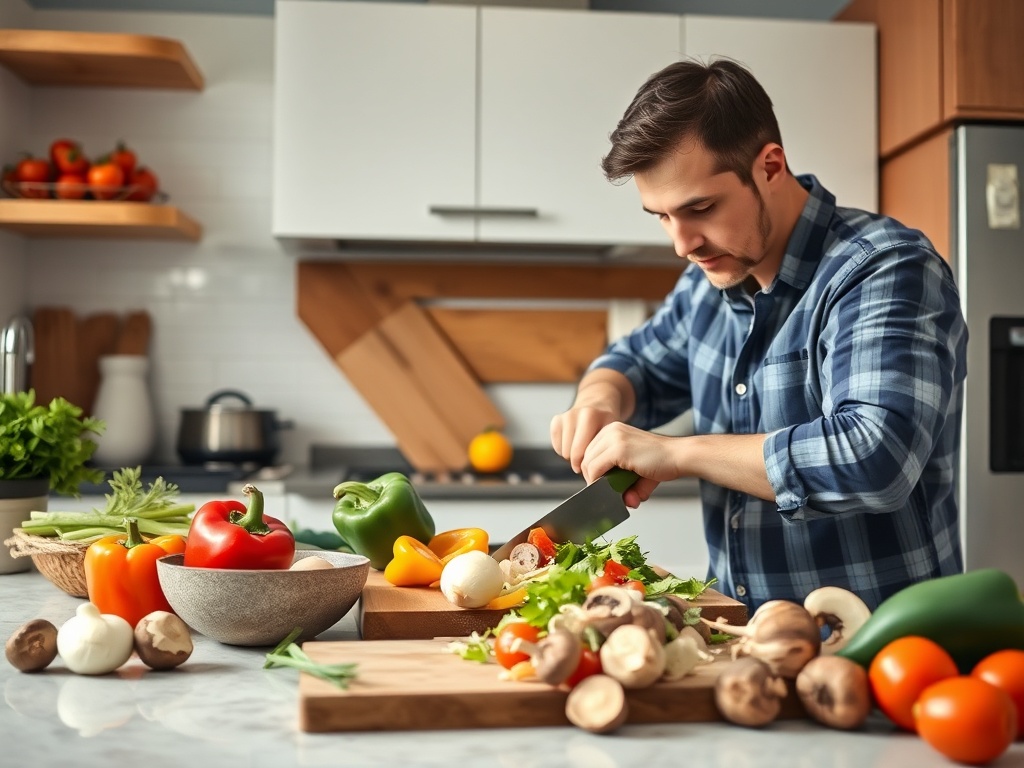
Our comprehensive program covers knife skills for efficient prep, cooking methods that preserve nutrients, ingredient selection and sourcing, flavor building with herbs and spices, meal prep strategies, and recipe modification for dietary needs. You'll master techniques like steaming, roasting, and sautéing that enhance food quality while maintaining nutritional value. We also teach food safety, kitchen organization, and how to read and create balanced recipes that work for your family's preferences.
How do I balance nutrition in my daily meals?
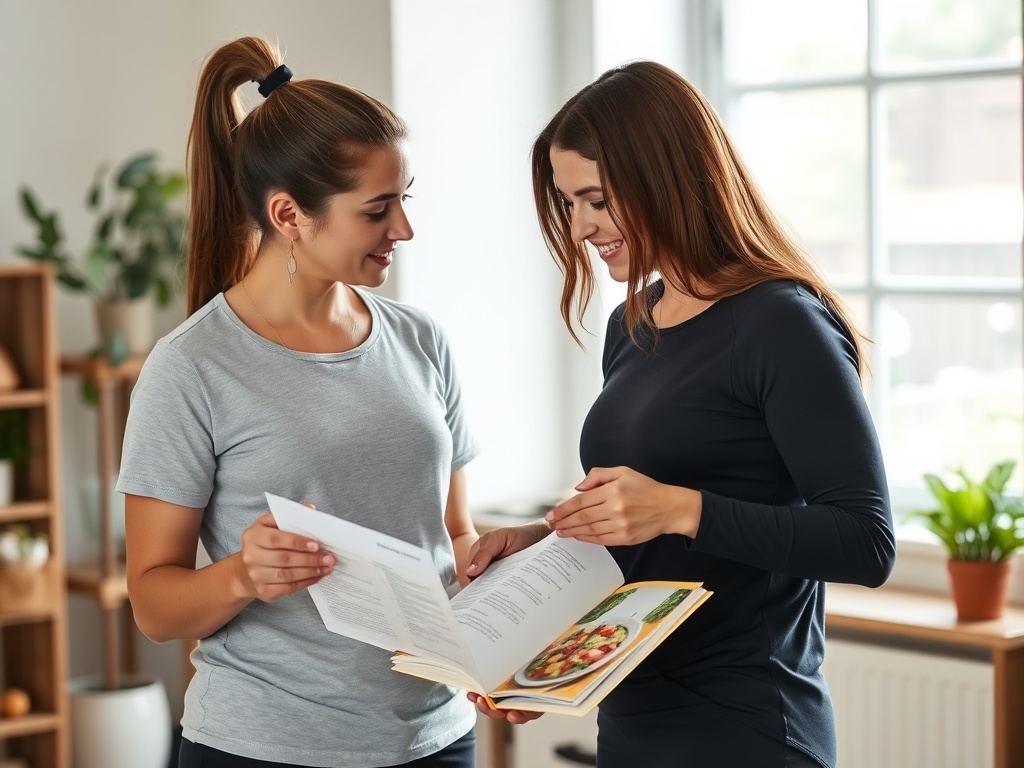
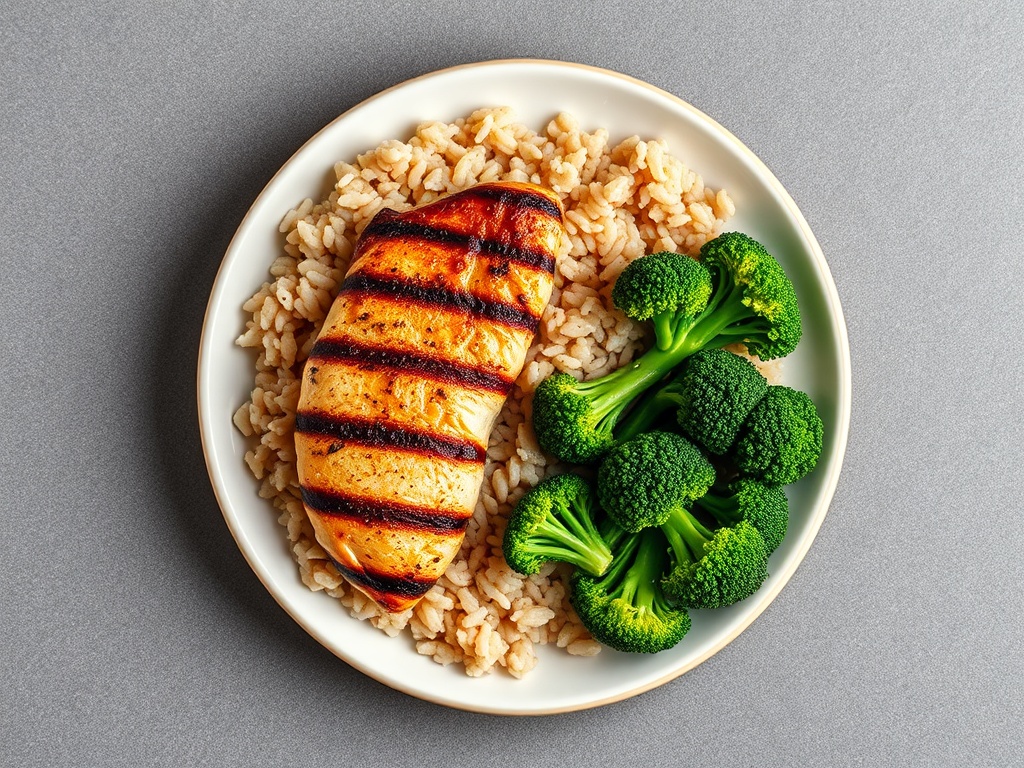
Nutrition balance comes from understanding the plate method: filling half your plate with vegetables, one quarter with lean protein, and one quarter with whole grains. Include healthy fats from nuts, seeds, and avocados, and stay hydrated throughout the day. Our course teaches macronutrient ratios tailored to your goals, whether that's energy, weight management, or athletic performance. You'll learn to read food labels and make informed choices that support sustained wellness and vitality.
What ingredients should I always keep stocked?
A well-stocked pantry is your foundation for healthy cooking success. Essential staples include extra virgin olive oil, various vinegars, whole grains like quinoa and brown rice, legumes such as lentils and chickpeas, nuts and seeds, low-sodium broths, canned tomatoes, and seasonal produce. Fresh herbs, garlic, ginger, and quality spices elevate simple ingredients into delicious meals. Our course provides detailed shopping lists and storage tips to help you build an efficient pantry that makes healthy cooking convenient.
Can I meal prep for the entire week?
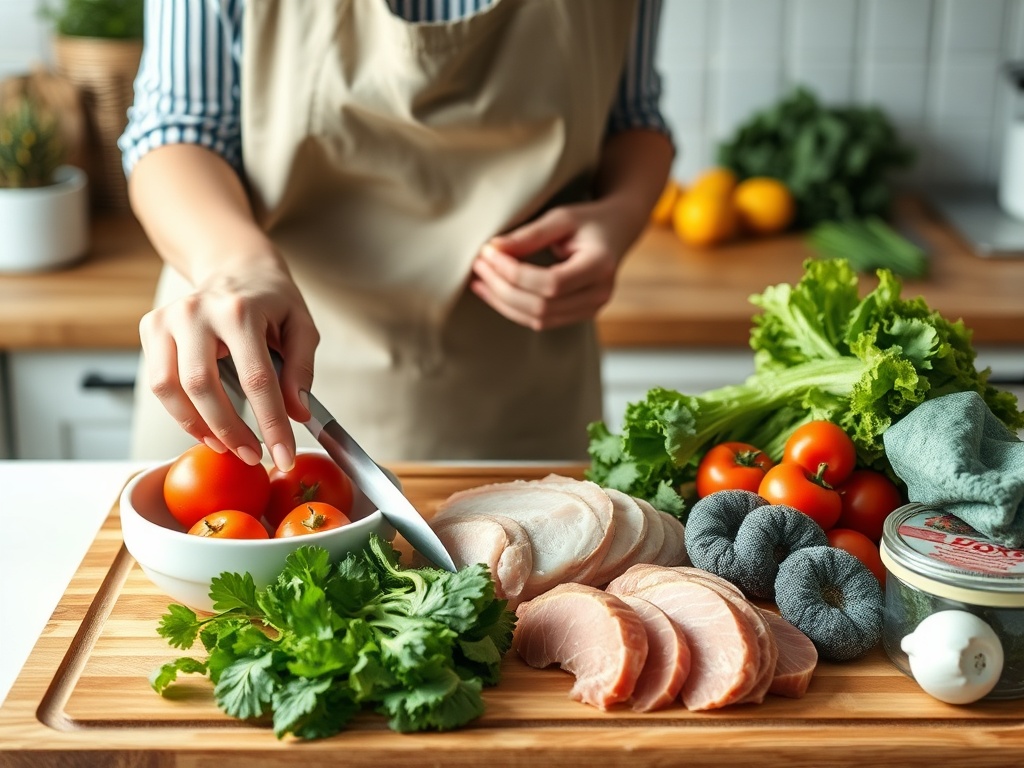
Absolutely! Meal prepping is one of the most valuable skills for maintaining healthy eating habits despite busy schedules. Our course teaches batch cooking techniques, proper storage methods, and creative recipe combinations that prevent boredom throughout the week. You'll learn which foods hold up well when prepared in advance, how to portion meals safely, and smart strategies for mixing and matching components. Proper meal prep saves hours during the week while ensuring nutritious meals are always available.
Master Your Kitchen Skills With Our Proven Healthy Cooking Course
What is nutrient-dense cooking?
Nutrient-dense cooking focuses on maximizing vitamins, minerals, and antioxidants in every bite. This approach prioritizes whole foods over processed options and uses cooking methods that preserve nutritional integrity. You'll learn which vegetables retain more nutrients when raw versus cooked, how to extract maximum flavor with minimal added fats, and which preparation techniques boost nutrient absorption. Our course emphasizes that healthy food can be absolutely delicious when prepared with proper techniques and quality ingredients.
How does stress-free cooking support wellness?
Cooking with purpose and confidence reduces kitchen stress while enhancing your entire wellness journey. When you understand your tools, techniques, and ingredients, meal preparation becomes enjoyable rather than overwhelming. Our course builds your culinary confidence through clear instruction and practice, so you approach the kitchen with creativity instead of anxiety. This positive mindset actually makes food taste better and digestion improves, creating a beautiful connection between cooking, eating, and overall health.
What cooking methods preserve nutrients the most effectively?
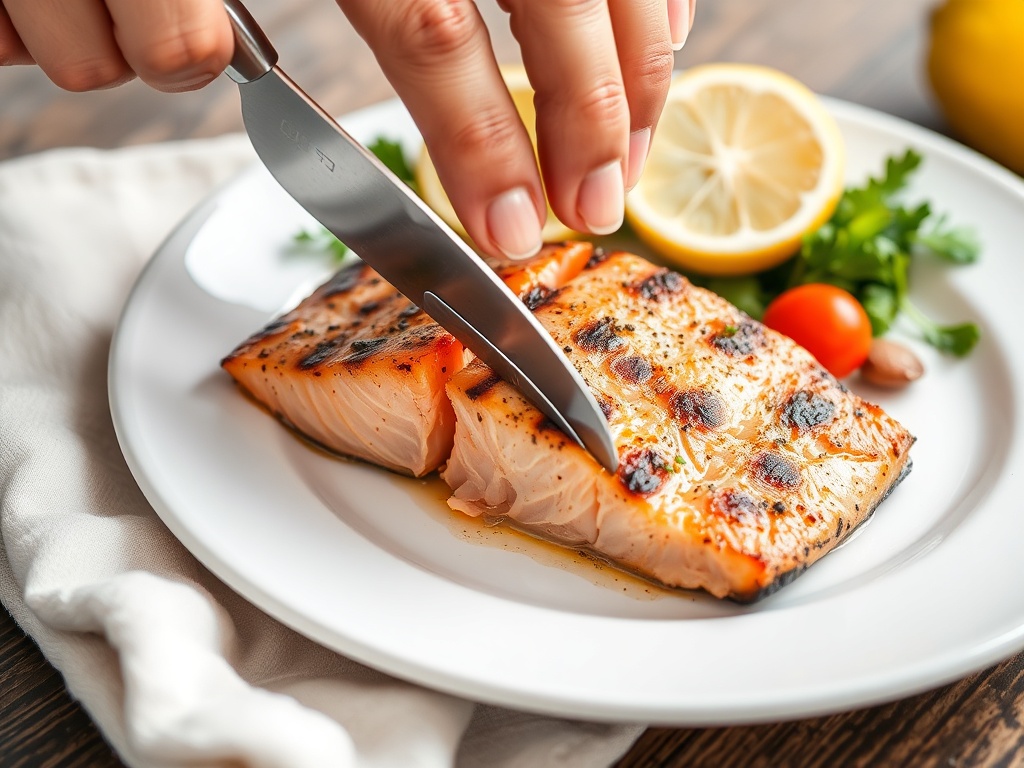
Steaming, roasting at moderate temperatures, and quick sautéing preserve nutrients better than boiling or high-heat frying. Each method has specific applications: steaming vegetables maintains water-soluble vitamins, roasting enhances natural flavors without added fats, and quick sautéing with healthy oils creates delicious results while keeping food intact. Our course demonstrates each technique with detailed video instructions so you understand when and how to use them. Choosing the right method makes a measurable difference in nutritional value.
How can I adapt recipes for dietary restrictions?
Recipe modification is an essential skill that ensures everyone at your table enjoys delicious, nutritious meals. Whether accommodating allergies, intolerances, vegan choices, or other dietary needs, you can adapt almost any recipe using simple substitution principles. Our course teaches which ingredients work as one-to-one replacements and which require technique adjustments. You'll gain confidence experimenting with alternatives while maintaining flavor and texture, making dietary accommodations feel inclusive rather than restrictive.
What's the connection between cooking and mental health?
Cooking activates multiple senses and mindfulness naturally, creating a therapeutic activity that reduces stress and anxiety. The creative process, pleasant aromas, and tangible results provide emotional satisfaction and a sense of accomplishment. When you nourish others through homemade meals, connection deepens and community strengthens. Our course celebrates cooking as both a practical skill and a holistic wellness practice that supports mental clarity, emotional balance, and overall life satisfaction.
How do budget-friendly and healthy eating align?
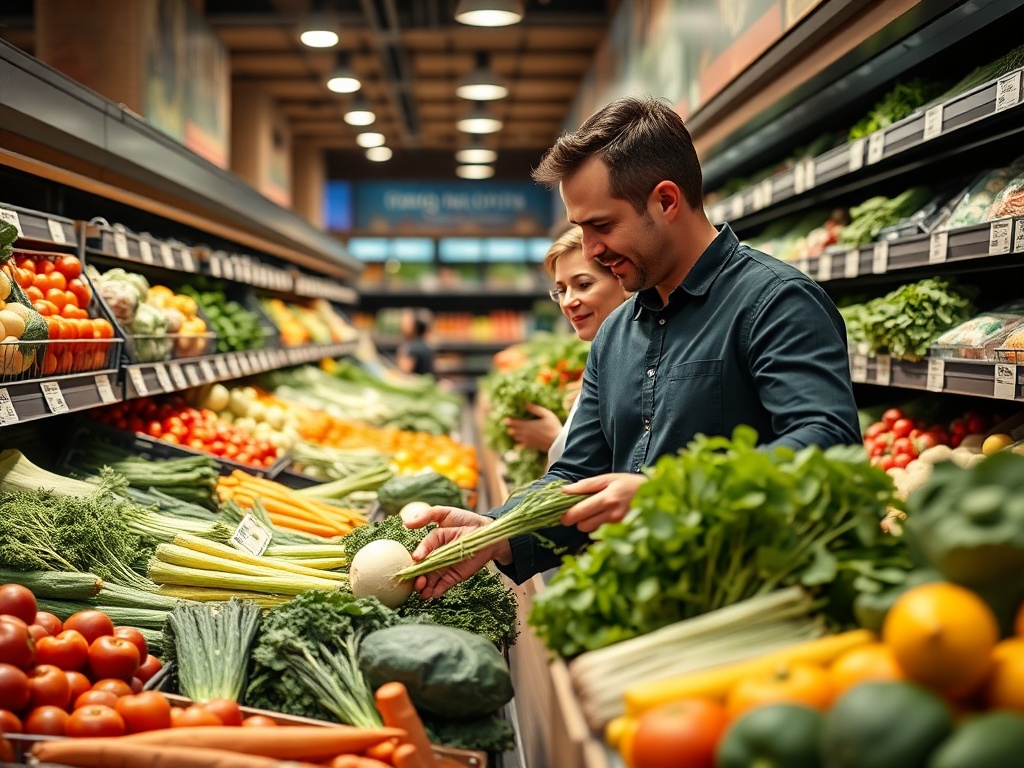
Healthy eating doesn't require expensive specialty products or rare ingredients. In fact, whole foods like seasonal produce, dried beans, eggs, and frozen vegetables are among the most economical options available. Our course teaches savvy shopping strategies, seasonal eating patterns, and budget-friendly meal planning that deliver maximum nutrition for your grocery dollars. You'll discover that investing in your health through basic cooking skills actually costs less than relying on processed convenience foods.
Get your healthy cooking foundation today
Join hundreds learning to cook healthy, delicious meals for life